
Central AC Maintenance Best Practices for HVAC Contractors
As an HVAC contractor, you often deal with client calls for central AC breakdowns caused by skipped maintenance, leading to emergency repairs and higher costs. This guide equips you with a structured maintenance plan, from homeowner DIY tasks to professional servicing schedules, ensuring longer system life and fewer callbacks. Routine maintenance helps preserve rated system efficiency and capacity by preventing airflow restriction, coil fouling, and abnormal operating conditions.
Why Regular Central AC Maintenance Matters
Regular maintenance is not just about cleanliness; it is about verifying the thermodynamic performance of the system. When you maintain a central AC system correctly, you directly impact the temperature split performance. In cooling mode, most properly operating ducted systems will typically show an approximate 18-25°F temperature difference across the evaporator coil under normal airflow and indoor humidity conditions. For heat pump systems operating in heating mode, temperature rise varies significantly based on outdoor temperature, airflow, and system capacity.
This delta T is your primary indicator of efficient operation. Neglecting maintenance often leads to low performance that goes undetected until a failure occurs. Consistently low temperature split values outside expected ranges, when verified with proper measurement technique and airflow, indicate potential airflow, refrigerant, or control issues. Furthermore, keeping filters, coils, and blower wheels clean reduces static pressure, significantly extending the system's life by reducing strain on the motor and compressor.
What Is Central AC System Maintenance?
Central AC maintenance is a systematic process of inspection, cleaning, and measurement designed to keep the equipment within manufacturer specifications. The absolute first step in this process is safety: you must disconnect electrical power to both the indoor and outdoor units before performing any work.
The scope of work includes:
- Cleaning or inspecting air filters to ensure proper airflow
- Inspection and, when required, professional cleaning of evaporator coils to maintain proper heat transfer
- Inspecting blower wheels for dust buildup that causes imbalance
- Checking drainage systems to prevent water damage
- Measuring temperature splits to verify the system's thermodynamic health
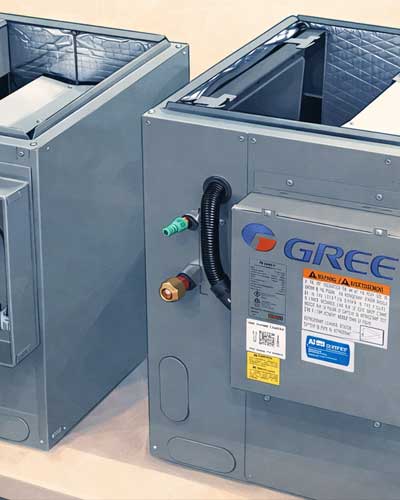
GREE ducted systems are engineered with defined service procedures and diagnostic criteria that must be followed per published installation and service manuals.
How Central AC Maintenance Works
Effective maintenance follows a logical diagnostic path to isolate issues. You start by establishing a baseline for the unit's current performance. Run the unit for at least 10 minutes with a 5°F temperature demand to stabilize the refrigerant cycle. Once stabilized, measure the entering and leaving air temperatures.
After gathering baseline data, proceed to the physical work:
- Inspect and clean the filters, evaporator coil, blower wheel, and outdoor condenser coils
- Recheck the temperature split after cleaning is complete
- Diagnose further if the numbers don't improve
If abnormal performance persists after airflow verification, advanced diagnostics, including refrigerant circuit evaluation by a licensed technician, may be required.
Building an Effective Maintenance Schedule
A structured maintenance schedule is the difference between a reliable system and emergency service calls. You should organize maintenance into three distinct tiers to cover immediate airflow needs and long-term mechanical health.
- Monthly: Focus on air quality. Clean or replace filters if the room environment is dusty.
- Seasonal: Address environmental factors. Rinse coils in the spring and fall and check drain lines.
- Annual: Perform a professional tune-up for a full mechanical and electrical inspection.
Monthly Homeowner Checks
You should instruct your clients to handle basic monthly oversight to maintain system airflow. The primary task is to clean filters monthly. A clogged filter increases static pressure and kills efficiency. Additionally, advise homeowners to limit inspections to accessible filters and visible components without removing panels. They should look for visible dust accumulation. Crucially, they must ensure there is no water dripping from the unit, which indicates a primary drain failure requiring a deep clean.
Seasonal Preparations
As seasons change, the system faces different loads and debris. You need to rinse the coils every spring and fall to remove pollen, leaves, and dirt that accumulate during the off-season. Keep the area around the outdoor units clear of organic debris to maintain proper airflow across the condenser coil. Finally, check the drain lines seasonally. Algae growth during the summer can harden and create blockages that manifest as leaks when the cooling season starts up again.
Annual Professional Servicing
The annual service is where you perform the technical heavy lifting. Always turn off power at the main disconnect before servicing. Remove the access panels to conduct a full inspection of electrical parts, contactors, and capacitors. Check the coils for deep impaction that a simple rinse cannot remove. If service requires opening the refrigerant circuit, refrigerant must be recovered in accordance with EPA regulations before work begins.
Essential DIY Maintenance Tasks
While major repairs require a licensed technician, there are basic tasks that keep the system running between tune-ups. Before touching anything, always turn off the unit and disconnect the power source to ensure safety.
- Filters: Pull and wash the air filters
- Inspection: Inspect the louvers and blower wheel for dust accumulation
- Drainage: If the evaporator is dripping, it signals a blockage that requires a deep cleaning of the coil and clearing of the drain immediately
Replacing or Cleaning Air Filters
Clogged filters are the leading cause of high static pressure and frozen coils. To address this, shut off the unit and pull the filter out. Wash it thoroughly if it is reusable or replace it if it is disposable. Recheck the condition monthly if the environment is dusty. For verification, measure the temperature split before and after the filter change. You should see an immediate improvement in airflow and thermal transfer efficiency.
Cleaning Evaporator and Condenser Coils
Clean coils are vital for heat exchange. For the indoor evaporator, use a light to inspect the fins; if they are dirty or the unit is dripping water, a deep clean is necessary to restore airflow. For the outdoor condenser, remove the protective panels and clean the coils carefully to avoid bending the delicate aluminum fins. Always recheck the temperature split after reassembly to confirm that the cleaning restored the system's ability to reject or absorb heat effectively.
Clearing the Condensate Drain Line
Water management is often overlooked until it causes damage. Check the drainage flow immediately after maintenance. If the evaporator is dripping, it indicates a blockage in the primary drain line or the trap. You must clear this obstruction to prevent overflow into the structure. Inspect the drain line seasonally for algae buildup or sediment. Proper drainage ensures that humidity removed from the air is safely directed away from the equipment and the building.
Best Practices for Long-Term AC Performance
Safety and adherence to protocol ensure the equipment lasts and operates safely. Ensure the unit remains properly grounded in accordance with NEC requirements at all times. Never attempt to repair or service electrical components with wet hands. Keep the unit away from potential fire sources and strictly follow the manufacturer's installation and service suggestions regarding clearances and electrical data. Finally, check the condition of the system frequently after any work is performed to ensure no loose connections or vibrations have developed during operation.
Common Mistakes to Avoid
Mistakes during maintenance can be dangerous to the technician or fatal to the equipment. Avoid these critical errors:
- Live Work: Do not touch electrical parts without cutting the power first
- Moisture: Avoid working with wet hands or allowing water to enter electrical compartments
- Chemicals: Do not use organic solvents or harsh chemicals on the unit casing or coils, as these can damage the finish or corrode materials
- Grounding: Never operate the unit without proper grounding
When to Call a Professional HVAC Technician
Some symptoms indicate issues beyond basic cleaning and require advanced diagnostics.
- Performance Issues: If the temperature split remains low (e.g., 10-15°F) even after cleaning filters and coils, you have a mechanical or airflow problem
- Refrigerant Issues: If you suspect a refrigerant leak, this requires gauges, nitrogen pressure testing, and evacuation equipment
- Electrical Faults: Electrical issues, high-pressure lockouts, or compressor failures are strictly the domain of a qualified technician
Final Tips for GREE Comfort Central AC Owners
Proper maintenance is a partnership between the owner and the technician. GREE documentation is clear on the requirements for service:
"Heat pumps, air conditioners & heating equipment should be installed, started up, and serviced only by qualified installers and service technicians." - GREE Vireo Gen3 Owner's Manual
To ensure reliability, schedule professional tune-ups annually. Always disconnect power before cleaning filters or inspecting the unit. If repairs are needed, contact a qualified technician immediately to avoid the risk of electric shock or fire.
For more technical resources or to find a distributor, visit the GREE System Builder or check our Contractor Locator.
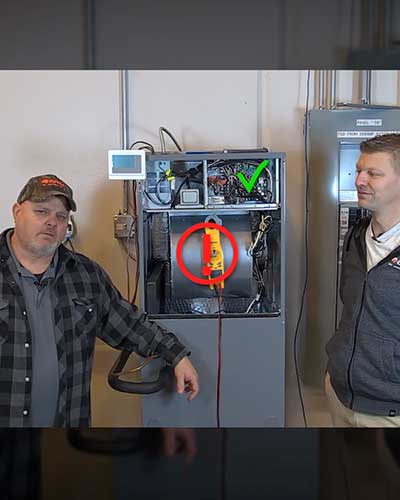
Contractors can configure approved GREE system combinations using the GREE System Builder. Installation and service procedures are available in our Instructional Videos and FAQ library. Homeowners should use the Contractor Locator to find a qualified GREE professional.
Frequently Asked Questions
What is a normal temperature split for a central AC in cooling mode?
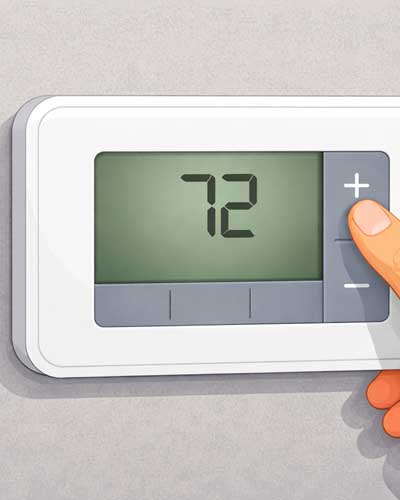
A properly functioning central AC system should show a 20-25°F temperature split across the evaporator coil in cooling mode, measured after 10 minutes of stabilized operation with a 5°F thermostat demand.
How often should you replace central AC air filters if you have pets?
Replace disposable air filters every 1-3 months with pets, as pet hair and dander accelerate clogging and increase static pressure, reducing efficiency more rapidly than standard intervals.
Can you use a garden hose to clean condenser coils?
Yes, use a garden hose with low-pressure spray on condenser coils, directing water from inside out to avoid fin damage; follow up by measuring temperature split to confirm improved heat rejection. Always disconnect power at the outdoor disconnect before rinsing condenser coils.
How do you safely clear a clogged condensate drain line?
Clear condensate drains using manufacturer-approved methods or have a qualified technician perform mechanical or chemical cleaning as specified.