

Ultimate Guide to Seasonal Mini-Split Optimization
For homeowners and HVAC contractors alike, understanding how to maximize the efficiency of mini-split systems year-round can lead to lower energy bills, extended equipment life, and consistent comfort. Mini-splits are known for their precision in heating and cooling, but without proper seasonal adjustments, even top-tier systems like GREE Comfort models can underperform. Neglecting these changes may result in higher operational costs and reduced system reliability.
This guide dives into the essential strategies for seasonal mini-split optimization, from maintenance tasks to programming tips and climate-specific adjustments. Whether you're managing a single-zone system or a multi-zone setup, you'll gain actionable insights to keep your system running smoothly. With expert-backed advice tailored to U.S. climates, you'll be equipped to enhance performance, reduce energy waste, and ensure peak comfort no matter the season.
How Mini-Splits Work Throughout the Year
Seasonal changes play a big role in how mini-split systems deliver energy-efficient heating and cooling. These systems are designed to adapt their performance based on outdoor temperatures, and the specific comfort needs of your home. Understanding how they operate throughout the year helps make the most of their advanced features and ensures they perform efficiently in any season.
Unlike traditional HVAC systems that rely on ductwork and central air handling, mini-splits provide targeted climate control for individual zones. This means they can respond more effectively to changing weather conditions, keeping each area comfortable while tackling the unique challenges of each season. Whether it's the blazing heat of summer or the chill of winter, mini-splits adjust their components to maintain reliable performance.
Mini-Split Operation in Different Seasons
Mini-split systems operate differently depending on whether they're in heating or cooling mode, with each season placing specific demands on their components. During summer, the outdoor unit's condenser works to release heat collected from inside the home, keeping indoor spaces cool. In winter, the system reverses the refrigerant flow, pulling heat from the outdoor air - even in colder climates - and transferring it indoors. Cold-climate models are specially designed to maintain strong heating performance even in freezing conditions, while standard models excel in milder weather.
Spring and fall, with their moderate temperatures, often provide the most efficient operating conditions for mini-splits. During these seasons, the system can run at lower capacities, which not only saves energy but also reduces noise levels. Many modern mini-split systems include sensors that help regulate indoor humidity, ensuring comfortable moisture levels throughout the year.
Seasonal Maintenance Tasks
Keeping your mini-split system in top shape requires regular maintenance. While routine self-checks are helpful, scheduling professional inspections is crucial to avoid unexpected breakdowns and costly repairs, especially during peak usage periods. Let's explore why professional check-ups are essential for maintaining your system's performance.
Professional System Check-Ups
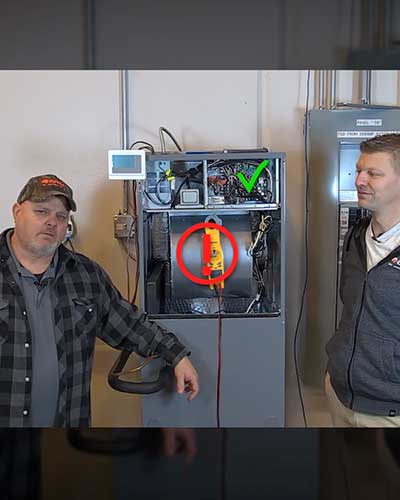
Professional inspections are key to ensuring your system runs efficiently throughout the year. Skilled technicians conduct thorough evaluations, which include checking refrigerant levels, inspecting electrical connections, clearing drain lines, and assessing overall system performance. These inspections are designed to catch potential issues early, helping to minimize wear and tear on components and potentially lowering energy bills. It's best to schedule these check-ups during seasonal transitions to prevent strain during extreme weather.
For both contractors and homeowners, GREE Comfort offers extensive resources to support system maintenance. Contractors can find technical documentation and instructional videos at GREE Comfort's video library. Homeowners looking for certified technicians can use the contractor locator tool to connect with professionals for expert care.
Year-Round Energy Efficiency Tips
Boosting energy efficiency doesn't have to be complicated. By fine-tuning settings and keeping an eye on usage, you can save money while staying comfortable. These strategies build on the seasonal maintenance tips mentioned earlier, offering a more comprehensive approach to energy management.
Zoning Features and Programmable Settings
Multi-zone systems are a smart way to save energy by tailoring the temperature in different parts of your home. With GREE Comfort's multi-zone systems, you can heat or cool only the rooms you're using, avoiding unnecessary energy use in unoccupied spaces.
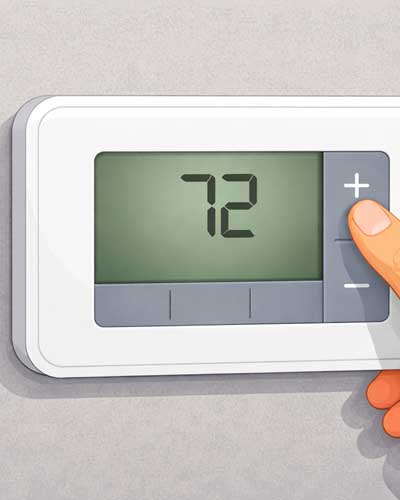
Take advantage of programmable settings to match your home's daily routines. For example, GREE Comfort's smart WiFi controls can automatically adjust temperatures based on whether a room is occupied or empty and even take local weather into account. During the day, reduce heating or cooling in bedrooms and shift focus to living spaces. Then, as night falls, set the system to prepare your bedrooms for a comfortable night's sleep. Similarly, lower temperatures in living areas while you're at work and have them ready for you when you return.
For areas of your home with varying sun exposure, adjust zones accordingly. South-facing rooms often need less heating in winter due to natural sunlight, while north-facing spaces may require extra warmth. This targeted zoning approach ensures you're not over-conditioning any part of your home, helping to keep energy use in check.
Once you've optimized your zones, fine-tune temperature and fan settings to adapt to the changing seasons.
Climate-Specific Mini-Split Strategies
The diverse climates across the U.S. present unique challenges for mini-split systems, from the sweltering, humid summers of the Southeast to the icy winters of the Midwest. Recognizing how local weather impacts system performance can guide better decisions about selecting, installing, and maintaining your equipment. Below, we'll explore strategies tailored to specific climate challenges.
Best Practices for U.S. Climate Zones
In hot and humid regions like Florida, Louisiana, and coastal Texas, mini-split systems must excel at removing moisture. During summer, when high temperatures and humidity dominate, systems work overtime. GREE Comfort systems are designed to handle these conditions effectively. To manage moisture more efficiently, consider setting the thermostat to a moderate temperature, encouraging the system to run longer cycles.
In hot, dry areas such as Arizona, Nevada, and parts of California, the lower humidity allows for higher indoor temperature settings, even during extreme heat. Pre-cooling your home in the early morning, when outdoor temperatures are milder, can reduce the strain on your system during the intense afternoon heat.
For cold climates in northern states like Minnesota, Wisconsin, and northern Maine, heating efficiency during harsh winters is critical. While traditional heat pumps may struggle in extreme cold, GREE Comfort's cold-climate models maintain reliable performance, often serving as the primary heating source throughout the season. Although, depending on the region and building load, an additional heatsource may be needed.
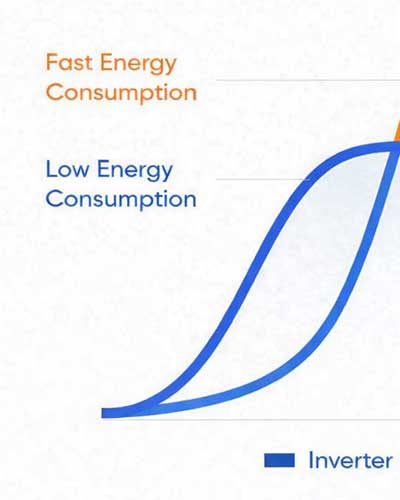
In mixed-climate regions like the Mid-Atlantic and parts of the Midwest, systems must handle both hot summers and cold winters. Variable-speed compressor technology is particularly effective here, as it adjusts output based on demand, reducing energy waste caused by frequent cycling.
Extreme Temperature Solutions
When temperatures hit extreme highs or lows, additional measures can ensure your mini-split system performs reliably. During frigid winters, even advanced systems may face challenges. Enhanced cold-weather features, such as advanced refrigerant management and compressor technology, help maintain heating capacity in sub-zero conditions. Properly sizing your unit and incorporating backup heating can provide consistent warmth during these extremes.
Insulation and Space-Specific Needs
The efficiency of a mini-split system is closely tied to the quality of a home's thermal envelope. Upgrading insulation and replacing single-pane windows can significantly reduce heating and cooling demands. These improvements help the system work more efficiently year-round.
Room layout and ceiling height also influence airflow. Spaces with vaulted ceilings or open floor plans may require adjusted fan speeds or specific airflow directions. GREE Comfort systems offer adjustable louvers and multiple fan speeds to accommodate various architectural designs.
Proper planning for refrigerant line routing is another key factor. Keeping lines short and minimizing elevation changes enhances system performance. In larger homes or those with unique layouts, strategic placement of outdoor units can further optimize efficiency.
For contractors, tools like GREE Comfort's System Builder tool use local weather data and building specifics to recommend the ideal equipment size and configuration. Homeowners can also connect with qualified professionals through the contractor locator to ensure their mini-split systems are tailored to their home and climate. Combined with regular maintenance and thoughtful insulation upgrades, these strategies maximize year-round performance.
Key Takeaways for Seasonal Optimization
Getting the most out of your mini-split system throughout the year requires a combination of regular maintenance and smart seasonal adjustments. This not only helps lower energy consumption and utility costs but also extends the life of your system while keeping your indoor spaces comfortable.
Start with the basics: change filters regularly, clean the coils, and schedule professional inspections. These simple steps can prevent small problems from turning into expensive repairs, all while improving your system's efficiency.
Beyond routine maintenance, adapting your system to the specific demands of each season is key. Whether dealing with high humidity, intense heat, or freezing temperatures, fine-tuning your mini-split's settings for regional conditions ensures it operates at its best no matter where you are in the U.S.
Using zoning and programmable controls can further reduce energy waste. These features allow you to set precise temperatures for individual areas, and smart controls can automatically adjust to seasonal shifts, making the process effortless.
Pairing proper insulation with a mini-split that's correctly sized for your space helps maintain stable indoor temperatures, reduces unnecessary cycling, and keeps energy bills in check.
For personalized recommendations, GREE Comfort offers tools like the System Builder, which uses local weather data to suggest the right system size. Additionally, their contractor locator connects you with certified professionals to ensure proper installation and maintenance.
FAQs
How can I keep my mini-split system running efficiently during extreme weather?
To keep your mini-split system running smoothly during extreme weather, consistent maintenance is key. Start by cleaning or replacing the filters regularly. This simple step ensures proper airflow and prevents the system from overworking. For the outdoor unit, make sure to remove any snow, debris, or leaves that could obstruct its operation. If temperatures dip below 20°F, you might notice reduced efficiency. To avoid overworking the system, set indoor temperatures at reasonable levels. By staying on top of seasonal adjustments and routine care, your mini-split system can deliver reliable performance throughout the year.
What seasonal maintenance should I perform to keep my mini-split system running efficiently?
To keep your mini-split system running smoothly throughout the year, it's important to follow a few seasonal maintenance steps:
- Regularly clean or replace air filters to ensure proper airflow and maintain good indoor air quality.
- Inspect and clean the indoor and outdoor coils to prevent dirt accumulation, which can hinder efficiency.
- Remove debris from the outdoor unit, such as leaves, dirt, or branches, to keep airflow unobstructed.
In the winter months, check the outdoor unit for snow or ice buildup and clear it away to prevent airflow issues. During the summer, make sure the thermostat is set appropriately and direct airflow upward to improve cooling performance. These straightforward tasks can help prolong the life of your system and keep it operating effectively all year long.
How can smart controls and programmable settings make my mini-split system more energy-efficient year-round?
Smart controls and programmable settings are a game changer for getting the most out of your mini-split system. They allow you to customize heating and cooling schedules to match your daily habits and when your space is occupied. This means your system can automatically adjust the temperature when you're not home or during less busy times, helping to cut down on energy use.
These settings also make it simple to adjust your system for different seasons, ensuring it runs efficiently year-round. By using your mini-split only when it's needed and at the best settings, you can maintain a comfortable environment, save on energy costs, and reduce waste. With these tools, keeping energy use in check is straightforward and convenient!