

GREE vs Competitors: Which Multi‑Zone HVAC Brand Delivers Best Efficiency
When comparing multi-zone HVAC brands, GREE Comfort stands out for delivering competitive, high-efficiency performance within the multi-zone heat pump category. GREE multi-zone systems like Multi+ Ultra offer cooling efficiencies up to 20-21 SEER2, depending on the specific multi-zone outdoor unit and paired indoor units, while maintaining quiet indoor operation and flexible zoning options supporting up to 5 independently controlled zones per outdoor unit. This combination positions GREE as a strong choice for both residential and light-commercial applications requiring customizable, energy-efficient heating and cooling.
Many premium brands in the multi-zone market operate at higher price points, but GREE provides similar, and often superior, efficiency and zoning flexibility at more accessible equipment costs. Typical multi-zone systems in the industry fall into a wide price range depending on capacity, configuration, and installation factors, but GREE's mid-market pricing structure allows homeowners and contractors to specify high-performance systems without the cost burden often associated with premium competitors. For property owners seeking long-term energy savings, reliable performance, and whole-building temperature control, GREE delivers a compelling balance of value and capability.
Understanding Multi-Zone HVAC Systems and Their Benefits
A multi-zone HVAC system allows independent temperature control across multiple areas within a home or building using a single outdoor unit paired with multiple indoor units. Unlike traditional single-zone systems, where the entire conditioned space operates under one thermostat, multi-zone configurations divide the property into discrete temperature zones. Each zone is managed by its own thermostat and indoor unit, enabling more precise comfort settings and reducing energy consumption associated with conditioning unused spaces.
Independent zoning provides tangible performance and advantages. Occupants can adjust temperatures in each room or area based on usage patterns, resulting in more personalized comfort. This targeted conditioning approach also supports higher energy efficiency by minimizing unnecessary runtime. When combined with high-SEER2-rated equipment, zoning can significantly reduce overall system energy consumption while maintaining optimal comfort where it is needed.
Multi-zone systems are suitable for a broad range of building types, including multi-story residences, homes with additions, office environments with variable occupancy, and smaller commercial properties requiring independent temperature control across functional spaces. Because heating and cooling loads often vary throughout a building, a properly designed multi-zone system distributes capacity where it is required. This prevents unnecessary strain on the system, reduces cycling frequency, and supports longer equipment life, key advantages valued by contractors and property owners alike.
Key benefits of multi-zone HVAC systems include the following:
- Independent temperature control for each zone
- Significant energy savings through targeted conditioning
- Lower utility costs when paired with efficient SEER2-rated equipment
- Enhanced comfort for occupants with different preferences
- Flexible installation options compatible with varied floor plans
- Improved system longevity through balanced load distribution and reduced cycling
Efficiency Ratings and Energy Savings Comparison
Energy efficiency for modern HVAC systems is measured using two primary metrics. SEER2 for cooling performance and HSPF2 for heating performance. SEER2 and HSPF2 reflect updated Department of Energy (DOE) testing procedures implemented in 2023, providing a more realistic representation of actual field operating conditions due to increased external static pressure and revised testing methodologies. Higher SEER2 and HSPF2 ratings indicate improved performance and lower electrical consumption across cooling and heating modes.
Because SEER2 and HSPF2 ratings directly influence annual energy consumption, high-efficiency multi-zone systems can materially reduce operating costs over the lifespan of the equipment. When compared against the baseline 13 SEER2 minimum efficiency, high-SEER2 systems can reduce annual cooling energy consumption substantially.
| Brand | Max SEER2 Rating | Max HSPF2 Rating | Estimated Annual Energy Savings vs 13 SEER2 baseline |
|---|---|---|---|
| GREE | Up to 20-21 | Up to 10 | ≈ 38.1% |
| Daikin | Up to 20-21 | Up to 9.7-10 | ≈ 38.1% |
| Mitsubishi | Up to ~20 | Up to ~10 | ≈ 35% |
| Fujitsu | Up to ~19 | Up to ~10 | ≈ 31.6% |
| Midea | Up to ~13-15.2 | Up to ~7.5-10 | ≈ 14.4% |
The long-term value of high-efficiency multi-zone systems extends beyond immediate energy savings. Higher SEER2/HSPF2 equipment may increase eligibility for local utility rebates, incentive programs, or tax credits, depending on regional policies. Furthermore, reduced energy consumption minimizes environmental impact and mitigates exposure to rising utility rates. For property owners expecting to maintain equipment for 15–20 years, typical for modern inverter systems, selecting a high-SEER2 solution is a critical factor influencing the overall total cost of ownership.
Noise Levels and Quiet Operation Across Brands
Sound levels play a significant role in occupant comfort, particularly in bedrooms, offices, and other noise-sensitive environments. HVAC noise is measured in decibels (dB), and even small differences can be noticeable due to the logarithmic nature of the scale. Many conversations occur around 60 dB, while quiet indoor environments often fall between 30-40 dB. Because indoor comfort is directly affected by operational noise, low sound levels are a critical consideration for both homeowners and contractors evaluating multi-zone systems.
GREE multi-zone indoor units operate as quietly as 32 dB, depending on the selected indoor unit style and capacity. These quiet operating levels are achieved through advanced fan-blade geometry, refined airflow pathways, and the inherent advantages of ductless multi-zone systems that keep the compressor outdoors. This performance supports noise-sensitive applications such as nurseries, home offices, medical suites, small commercial offices, and residential bedrooms, spaces where quiet operation maintains a more comfortable environment.
Because GREE's indoor units maintain quiet performance without compromising airflow delivery or system capacity, they deliver consistent comfort for a wide range of applications. In noise-critical environments, recording studios, boutique hotels, or premium residential spaces, contractors often prioritize systems with strong acoustic profiles. GREE's documented sound performance helps ensure installations meet these requirements without the elevated price tags often associated with premium competitor brands.
Multi-Zone Capability and Zoning Flexibility
In HVAC design, a 'zone' refers to an independently controlled area within a building, typically corresponding to a room, floor, or defined functional space. Each zone uses an indoor unit paired with its own thermostat or control interface. Multi-zone systems allow contractors to tailor heating and cooling delivery to individual spaces, accounting for differences in occupancy, solar load, and thermal characteristics across the building.
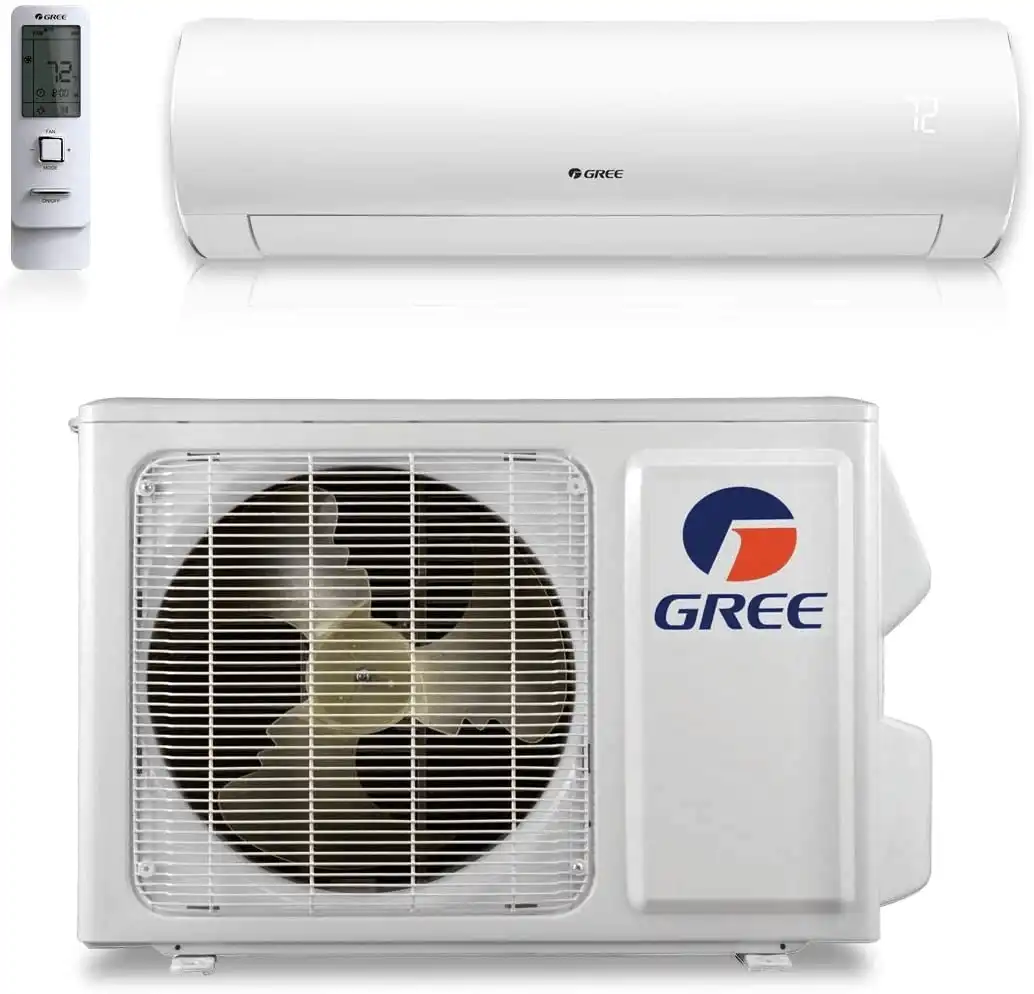
GREE's residential multi-zone heat pump systems support up to 5 independent zones per outdoor unit, providing strong zoning flexibility for most homes and commercial applications. This zoning capacity aligns with industry-leading multi-zone solutions and supports a broad mix of indoor unit types, including wall-mounted, slim-duct, ceiling cassette, and floor console units, allowing contractors to design systems around architectural, acoustic, and airflow requirements.
| Brand | Maximum Zones per Outdoor Unit | Typical Configuration Options | Maximum Zones (if VRF System Used) |
|---|---|---|---|
| GREE | Up to 5 indoor units | 2–5 zone configurations using wall-mount, cassette, floor/console, or slim-duct indoor units | Up to 80+ indoor units on GREE GMV VRF systems |
| Daikin | 2-4 indoor units | 2–4 zones for residential multi-splits (wall, cassette, ducted indoor units) | Up to 64+ indoor units |
| Fujitsu | 2-5 indoor units | 2–5 zone configurations (wall, cassette, floor, slim-duct) | Up to 64+ indoor units |
| Samsung | Up to 5 indoor units | 2–5 zones using wall, cassette, or ducted indoor units | Up to 64 indoor units |
| Midea | Up to 5 indoor units | 2–5 zones for residential multi-split | Up to 12 indoor units |
GREE's zoning flexibility enables strategic comfort management: conditioning bedrooms separately from main living areas, operating home offices independently, or reducing energy use by leaving low-occupancy areas unconditioned. This approach supports better thermal comfort and improved energy efficiency relative to single-zone, whole-building systems.
For larger residential properties, complex floor plans, or light-commercial applications requiring extensive zoning beyond five areas, a Variable Refrigerant Flow (VRF) system offers greater scalability. VRF systems expand on multi-zone principles by enabling a single outdoor unit, or a modular bank of outdoor units, to support a significantly higher number of zones while providing advanced load management, heat recovery options, and longer piping allowances.
For HVAC contractors designing or planning multi-zone projects:
- Use the GREE System Builder
- Access GREE Instructional Videos
- Review FAQs
Technological Features and Smart Controls
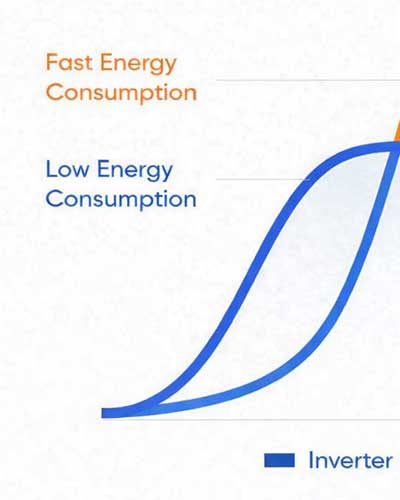
Modern multi-zone HVAC systems rely heavily on advanced inverters and control technologies to deliver high efficiency, consistent comfort, and responsive load management. Inverter-driven compressors modulate their speed continuously rather than cycling on and off, which allows the system to match capacity output to real-time heating and cooling demands. This reduces energy waste, limits temperature fluctuation, and minimizes mechanical stress on the compressor, an especially important parameter for contractors specifying long-life systems.
GREE's multi-zone systems incorporate the proprietary G10 Inverter technology, designed to deliver smooth, precise temperature control across a wide range of operating conditions. The G10 platform ensures stable operation at lower compressor speeds, enhancing part-load efficiency and improving comfort during mild outdoor conditions.
| Brand | Inverter Technology | Smart Controls | Advanced Features |
|---|---|---|---|
| GREE | G10 Inverter | GREE+ App, Wi-Fi, Alexa / Google | Turbo Mode, Intelligent Defrost, Remote scheduling (via app) |
| Daikin | Daikin Inverter | Daikin Comfort Control App, Wi-Fi, Google / Alexa | Energy Monitoring (app), Weekly scheduling, Streamer Technology |
| Mitsubishi | Hyper-Heating INVERTER | Kumo cloud, Comfort App, Wi-Fi, Alexa / Google | 3D i-See Sensor, Hot Start, Sensor-based comfort |
| Fujitsu | Hybrid Flex Inverter | FGLair App, AIRSTAGE Mobile, Wi-Fi | Human Sensor, Powerful Mode, Energy usage notifications |
| Samsung | Digital Inverter | MSmartHome App, Wi-Fi, Alexa / Google | Automation routines, Remote monitoring |
Smart controls further enhance the value proposition of multi-zone systems. Selected GREE indoor units support Wi-Fi connectivity through the GREE+ App, enabling remote temperature adjustments, scheduling, and monitoring from smartphones or tablets. Integration capabilities vary by model, but many GREE systems support compatibility with leading voice-assistant platforms. These control features allow both homeowners and property managers to optimize comfort and reduce energy usage through automated routines and on-demand adjustments.
Pricing and Value for Money
GREE's pricing structure positions its multi-zone systems as a strong value choice relative to premium competitor brands. While multi-zone system costs vary based on capacity, number of zones, indoor unit styles, and installation parameters, GREE's equipment pricing typically falls into the mid-market range. This positions GREE as an attractive option for projects requiring high efficiency and zoning flexibility without premium pricing.
| Brand | Entry System Cost (equipment only, 2-3 zone) | Premium System Cost (equipment only, 4-5 zone) | 5-Year Total Cost of Ownership* (High-Efficiency) | 5-Year Total Cost of Ownership* (Mid-Efficiency) |
|---|---|---|---|---|
| GREE | $3,500 - $8,000 | $6,500 - $12,000 | $15,300 - $19,800 | $17,650 - $22,150 |
| Daikin | $5,000 - $8,500 | $9,000 - $15,000 | $16,800 - $20,300 | $19,152 - $22,652 |
| Mitsubishi | $4,000 - $8,500 | $8,000 - $16,000 | $15,802 - $20,302 | $18,150 - $22,650 |
| Fujitsu | $3,500 - $7,500 | $7,500 - $13,000 | $15,302 - $19,302 | $17,652 - $21,652 |
| Samsung | $2,000 - $5,000 | $5,000 - $10,000 | $13,802 - $17,302 | $16,150 - $19,650 |
| Midea | $1,800 - $4,000 | $4,000 - $8,500 | $13,603 - $15,802 | $15,950 - $18,152 |
*Total cost of ownership includes purchase price, installation, maintenance, and estimated energy costs over five years based on average residential use.
The table in this article outlines estimated equipment costs and illustrative total cost of ownership (TCO) values across several competing brands. These comparative ranges demonstrate that GREE offers competitive performance at a more accessible price point, enabling property owners to pursue high-SEER2 multi-zone solutions without incurring the elevated equipment premiums typical of certain market-leading brands.
Warranty, Reliability, and Service Support
Warranty coverage is a key factor in HVAC equipment selection, reflecting a manufacturer's confidence in system durability. GREE offers competitive warranty terms for its multi-zone systems, with extended compressor and parts coverage available through authorized distributors and proper registration. These warranties are designed to protect homeowners and property owners from premature component failures and reinforce the long-term value of GREE's inverter-driven technology.
For contractors and technicians, GREE's service resources, including installation manuals, product brochures, and technical training materials, provide detailed guidance that supports accurate system design and proper installation practices.
GREE Comfort: Key Advantages and Innovations
GREE Comfort distinguishes itself through a combination of technological leadership, practical innovation, and value-oriented positioning. The brand's competitive advantages address the core priorities of homeowners and small commercial property owners seeking efficient, reliable, and flexible multi-zone solutions.
Standout GREE benefits include:
- High Efficiency: Delivers up to ~20-21 SEER2 performance, providing strong energy savings without the premium cost typical of other multi-zone brands
- Quiet Operation: Indoor units can operate as low as 32 dB, making them suitable for bedrooms, offices, and other noise-sensitive spaces
- Flexible Multi-Zone Design: Supports multiple independently controlled zones, ensuring consistent comfort across diverse residential and light-commercial layouts
- Advanced G10 Inverter Technology: Modulates compressor speed for precise temperature control, smoother operation, and improved part-load efficiency
- Performance-Enhancing Features: Includes Turbo Mode, Intelligent Defrost, and built-in diagnostics to improve real-world performance and streamline maintenance
- Engineered Durability: Corrosion-resistant coils, robust electronics, and fire-resistant materials contribute to long system life and reliable operation
- Strong Support Infrastructure: Comprehensive documentation and training resources help ensure proper installation, commissioning, and long-term system performance
Making the Right Choice for Your Multi-Zone HVAC Needs
Selecting the optimal multi-zone HVAC system requires aligning system capabilities with project-specific needs. GREE is an excellent fit when priorities include energy efficiency, a balanced combination of up to five independently controlled zones, quiet operation, and cost-effective design flexibility. These qualities make GREE particularly attractive for homeowners who want high performance without luxury pricing and for contractors seeking dependable equipment suited for a wide range of layouts and load profiles.
GREE multi-zone systems are especially well-suited for:
- Applications requiring precise room-by-room temperature control
- Residential projects needing 2–5 indoor zones
- Properties where quiet indoor operation is essential
- Budget-sensitive installations seeking strong SEER2 performance
- Homeowners and businesses prioritizing reliable long-term operation
- Projects requiring advanced inverter control and smart-connectivity options
To maximize system performance and ensure code compliance, professional installation is essential. Licensed HVAC contractors can perform load calculations, evaluate building envelope characteristics, assess outdoor unit placement clearances, and confirm NEC-compliant electrical sizing.
To find a qualified installer for your GREE multi-zone system, use the GREE Contractor Locator Tool.
Frequently Asked Questions
What factors most affect multi-zone HVAC system efficiency?
Efficiency is primarily influenced by SEER2 rating, inverter performance, correct sizing, ductless indoor unit placement, and load matching. Proper zoning design and installation also contribute significantly to long-term performance.
How does zoning improve energy savings in a home?
Zoning reduces energy waste by conditioning only the areas that are in use. This targeted approach, when paired with high-SEER2 inverter systems, can substantially reduce annual electrical consumption relative to systems that condition the entire building.
What should homeowners consider when choosing a multi-zone system?
Important considerations include required zone count, SEER2 and HSPF2 efficiency levels, indoor unit style selection, installation constraints, noise tolerance, and warranty coverage. Contractors can assist with load calculations and system selection.
How can smart control enhance comfort and load management?
WiFi-connected indoor units allow remote adjustments, scheduling, and system monitoring. Automated routines help optimize comfort by running the system only when needed, reducing unnecessary energy consumption.
What maintenance practices support long-term system performance?
Routine filter cleaning or replacement, annual professional inspections, coil cleaning, and monitoring of diagnostic alerts help maintain long-term reliability. Following GREE's installation and service guidelines ensures stable performance throughout the equipment's lifespan.