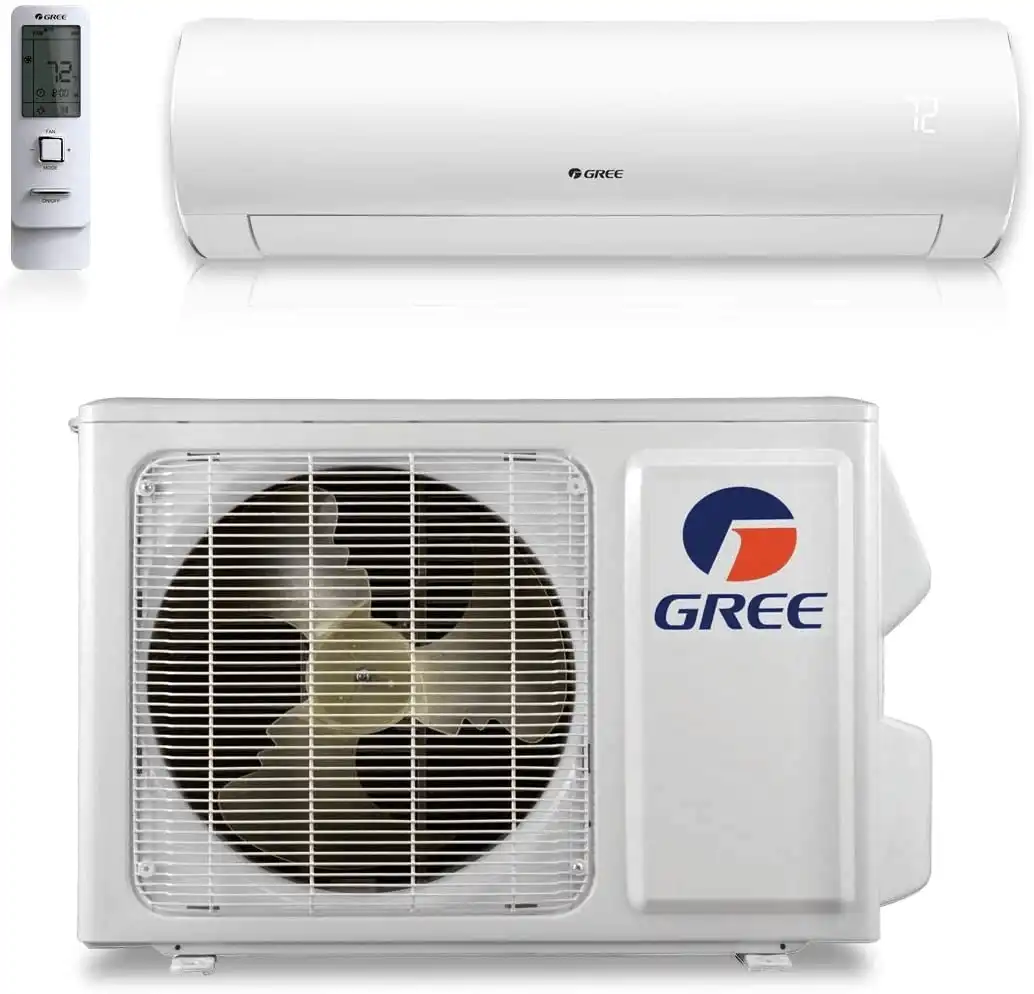


Cold Climate Heat Pumps: What They Are and When You Need Backup Heat
| What a cold climate heat pump or ductless mini split actually delivers at your design temperature, how to verify it before you sell the job, and what a backup heat kit is actually for. |
TL;DR
A properly selected cold climate heat pump can heat a home on the coldest day of the year without the electric backup heat running. Whether yours can is not a guess. Run the heat load, find your design temperature, then look up what the unit is putting out at that temperature. If rated capacity covers the load, you do not need a heat kit to make up the difference. Skipping that lookup is what leads to oversized systems and oversized heat kits. A backup heat source is still recommended, because anything mechanical can fail.
What Are Cold Climate Heat Pumps?
Cold climate heat pumps are inverter driven equipment rated to keep producing heat at low outdoor temperatures. Every model is rated to heat down to a certain outdoor temperature. The manufacturer’s tables show how much heat it is still putting out at each temperature down to that point.
Looking up what the unit is putting out at your own design condition, rather than assuming it, is what tells you whether it covers the heat load on its own.
What Is a Heat Kit for a Heat Pump?
A heat kit is electric backup heat added to the system, sized in kW. Fifteen kW works out to about four tons of heat.
The older habit is to add one by default in colder areas, and that is where the money gets spent. Whether one is needed to cover the load depends on the heat load: run the calculation and you know how much heating the building needs, and whether the heat pump covers it on its own.
Not to cover the load, if the equipment is matched correctly. It comes down to one comparison: how much heat the building or space needs, against how much the unit is putting out at your design temperature.
Does a Cold Climate Heat Pump Need Electric Backup Heat?
Run that comparison and a correctly matched inverter system often covers the full heating load at design conditions on its own. An oversized heat kit then becomes an expense your client did not need, and extra load on the electrical service.
Capacity is not the only reason for backup heat. Anything mechanical can fail at any time, and if the heat pump goes down with no backup source, there is no heat. Keep a backup heat source in the system. At minimum, size it to keep the home safe until the heat pump is repaired. The recommendation is to size it to carry the heating load of the home.
How to Check Heat Pump Capacity at Your Winter Design Temperature
This is a step that is often left out during the system building process, and it is the one that settles whether the heat pump covers the load on its own.
Start with a heat load calculation. There are many tools that do this well; Wrightsoft is one long-standing option. That gives you the BTU a space actually needs, not a rule of thumb.
Then go review the manufacturer literature and find the extended performance ratings tables in the system documentation library. Those tables show how much heat the unit is putting out at your design conditions, so you can read the number rather than assume it. If you install more than one brand, pull the extended ratings for the equipment you are actually installing or quoting rather than the one your software defaults to.
Compare the two numbers. That comparison, not a rule of thumb, is what tells you whether the heat pump covers the load on its own.
Quick Reference: What to Verify Before Sizing a Heat Pump for Cold Weather
Work through these in order before the equipment is selected.
| Step | What you are looking for |
|---|---|
| Run a heat load calculation | The BTU the building actually needs, from software rather than a rule of thumb |
| Identify your design temperature | The coldest design condition for the location, not the record low |
| Open the extended performance ratings tables | How much heat the unit is putting out at that temperature |
| Check the lowest rated temperature for the model | How far down the manufacturer publishes capacity for that specific unit |
| Compare capacity against the load | If rated capacity covers the load at design conditions, the heat pump does not need backup heat to meet it |
| Size the backup heat to the home | At minimum, enough to keep the home safe until the heat pump is repaired; recommended, enough to carry the heating load. A default 15 kW kit is roughly four tons of heat, more than a three ton system's load calls for |
Why Bigger Is Not Better With a Cold Climate Heat Pump
The bigger-is-better myth is behind most oversized heat kits. The habit of always installing three tons and always adding a 15 kW heat kit puts about four tons of heat into a three ton system.
If the heat load has been calculated, you know exactly how much heating and cooling the building or space needs, and there is no reason to guess upward. Bigger is not better; correctly matched is better.
Why Cold Climate Heat Pumps Are Easier on the Electrical Service
Inverter equipment is soft start. A three ton inverter heat pump draws roughly one amp on startup, then ramps up slowly from there.
A conventional single or two stage compressor pulls locked rotor amps on startup, anywhere from 30 to 60 amps depending on the size. That difference matters on a constrained service, and it matters to the utility grid at scale.
Cold Climate Air Source Heat Pump vs Geothermal: Efficiency and Payback in Cold Weather
Geothermal wins on paper and often loses on payback. Compare heat pump efficiency in cold weather on published numbers and the gap is real, but it is not the whole cost. Geothermal has the highest published coefficients of performance for heating, anywhere from 3 to 7, against roughly 2 to 4 for most inverter equipment. On paper the running efficiency is genuinely higher.
The catch is installation. Geothermal adds thousands upon thousands of dollars in ground loop work that an air-to-air system does not require. Paying tens of thousands up front means the payback may never arrive inside the lifespan of the equipment.
What Does a Cold Climate Heat Pump Cost to Own?
Judge the cost from the point of installation to end of life, not from the quote. Inverter equipment gives longer life on the compressors and a low energy cost of operation. With power costs expected to rise, what a system costs to run matters more over its life than it used to.
The same logic applies to who installs it. A client can save money up front with a lower cost contractor and still pay more in total cost of ownership when the system fails prematurely. Oversizing does the same thing from the other direction: a system that short cycles never delivers the utility savings the client was sold.
Getting Cold Climate Heat Pump Selection Right
The whole question comes down to three numbers: the calculated heat load, your design temperature, and what the unit is putting out at that temperature. Get those in front of you and the heat kit gets sized to the building rather than to habit.
Extended performance ratings and capacity tables live in our system documentation library. For walkthroughs on setup and cold weather performance, see our instructional videos and FAQ page. Homeowners weighing a cold climate heat pump for their own home should find a contractor to get a proper heat load done.
For Additional Insights on Heat Pumps in Cold Weather
Watch the full panel discussion on cold climate heating: COLD CLIMATE HEATING: The Pros, Cons, and Myths of Furnaces, Heat Pumps, and Geothermal
Frequently Asked Questions About Cold Climate Heat Pumps
What is a cold climate heat pump?
Inverter driven equipment rated to keep producing heat at low outdoor temperatures. Every model is rated to heat down to a certain outdoor temperature, and the manufacturer’s tables show how much heat it is still putting out at each temperature down to that point.
What is a heat kit for a heat pump?
Electric backup heat added to the system, sized in kW. Fifteen kW works out to about four tons of heat.
Does a cold climate heat pump need electric backup heat?
Not to cover the load, if the equipment is matched correctly. Run the heat load against what the unit is putting out at your design temperature, and a correctly matched inverter system often covers the full load on its own. A backup heat source is still recommended, because anything mechanical can fail.
How should a backup heat source be sized?
At minimum, enough to keep the home safe until the heat pump is repaired. The recommendation is to size it to carry the heating load of the home.
How do I find a heat pump heating capacity at low temperatures?
In the manufacturer extended performance ratings tables. They show how much heat the unit is putting out at your design conditions, so you can read the number rather than assume it.
Is a 15 kW heat kit a safe default?
No. A 15 kW kit is roughly four tons of heat, which puts about four tons into a three ton system. If the heat load has been calculated, there is no reason to guess upward.
Do inverter heat pumps put less strain on the electrical service?
Yes. A three ton inverter heat pump draws roughly one amp on startup and ramps up slowly, against locked rotor amps of anywhere from 30 to 60 for a conventional single or two stage compressor.
Is a heat pump efficient in cold weather compared to geothermal?
On published coefficients of performance geothermal is higher, anywhere from 3 to 7 against roughly 2 to 4 for most inverter equipment. But geothermal adds thousands upon thousands in ground loop work, and the payback may never arrive inside the lifespan of the equipment.
What does a cold climate heat pump cost to own?
Judge it from the point of installation to end of life, not from the quote. Inverter equipment gives longer life on the compressors and a low energy cost of operation, while a lower cost install that fails early, or an oversized system that short cycles, costs more in total.